
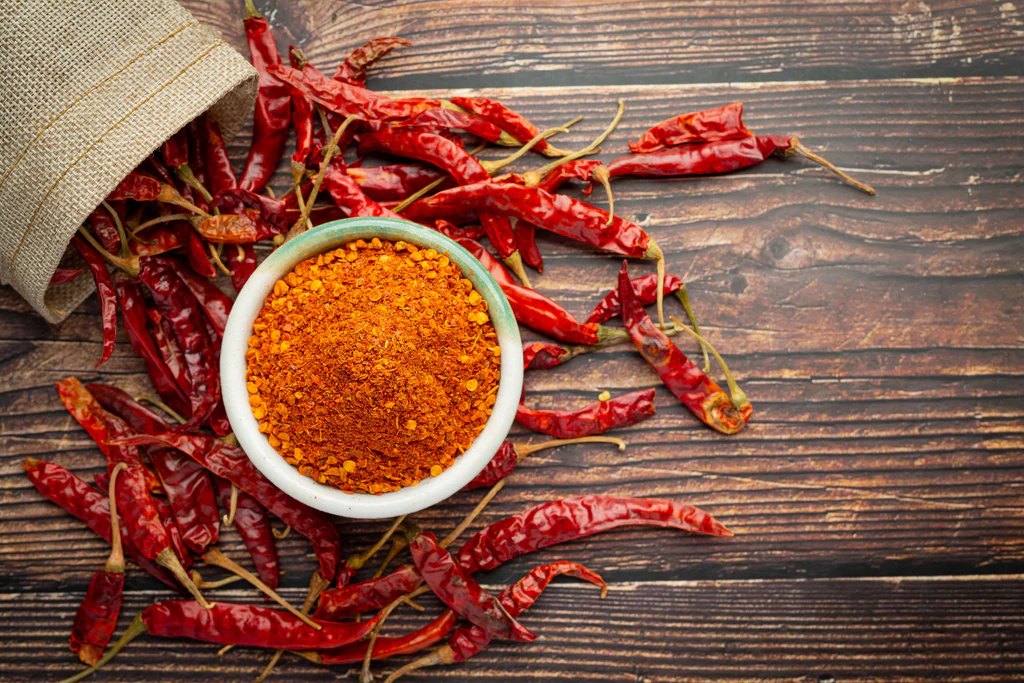
India produces and exports a wider range of spices than almost any other country, and for good reason its climate zones support everything from black pepper in the south to cumin and fennel in the west. For buyers new to sourcing spices internationally, though, the process involves more than just picking a product and placing an order. Here’s what matters most.
Whole spices vs. spice powders
The first decision buyers usually face is whether to import whole spices or pre-ground powders.
- Whole spices retain flavour and aroma for longer, since grinding accelerates the loss of volatile oils. They also give the buyer (or their customers) control over grind size and freshness.
- Spice powders are more convenient for food manufacturers and retailers who want a ready-to-use product, but they require tighter quality control, since powder form makes adulteration harder to detect visually.
Many buyers import a mix of both — whole spices for premium retail lines, and powders for food service or private-label packaging.
Quality markers to ask about
Not all spice shipments are equal, and a few quality indicators are worth confirming before you commit to a supplier:
- Moisture content — spices with excess moisture are prone to mould and lose shelf life quickly.
- Volatile oil content — particularly relevant for pepper, cardamom, and cloves, where oil content is a direct indicator of flavour strength.
- Pesticide residue and microbial testing — increasingly required by importing countries, especially the EU and US, and worth requesting lab reports for.
- Country-of-origin and traceability documentation — helps in case of a recall or dispute and is often required for customs clearance.
Understanding Indian spice-growing regions
Different regions specialise in different spices, which affects both quality and pricing:
- Kerala and Karnataka — black pepper, cardamom, ginger
- Rajasthan and Gujarat — cumin, fennel, coriander
- Andhra Pradesh — chilli, turmeric
- Madhya Pradesh — coriander, garlic
Sourcing from the region best known for a specific spice generally means better quality and more competitive pricing, since local infrastructure and expertise are already built around that crop.
Packaging and shelf life considerations
Spices are sensitive to light, air, and humidity, so packaging matters as much as the product itself. Vacuum-sealed or nitrogen-flushed packaging is standard for premium spice exports, and buyers should confirm packaging is suited to the transit time and climate conditions of the destination market — a shipment travelling by sea to a humid port needs different protection than one going by air to a dry climate.
Questions to ask before your first order
- Can you provide a certificate of analysis for each batch?
- What is the minimum order quantity, and can it be split across multiple spice types?
- How do you handle seasonal price fluctuations, since spice prices can shift significantly with harvest cycles?
- What packaging options are available, and can they be customised for private labelling?
A supplier who answers these clearly — and can back it up with documentation — is generally a safer long-term partner than one offering the lowest price with limited transparency.